All-Steel Bearing
Uses steel rolling elements together with steel rings where specified. Cage, shield, lubrication and other components still require separate verification.

Steel-Ball Dental Bearing Solutions
Use this guide to identify steel-ball dental bearings for handpiece repair. Search by bearing number, dimensions or handpiece model, then compare contact design, cage, shield, geometry and documented application details before ordering.
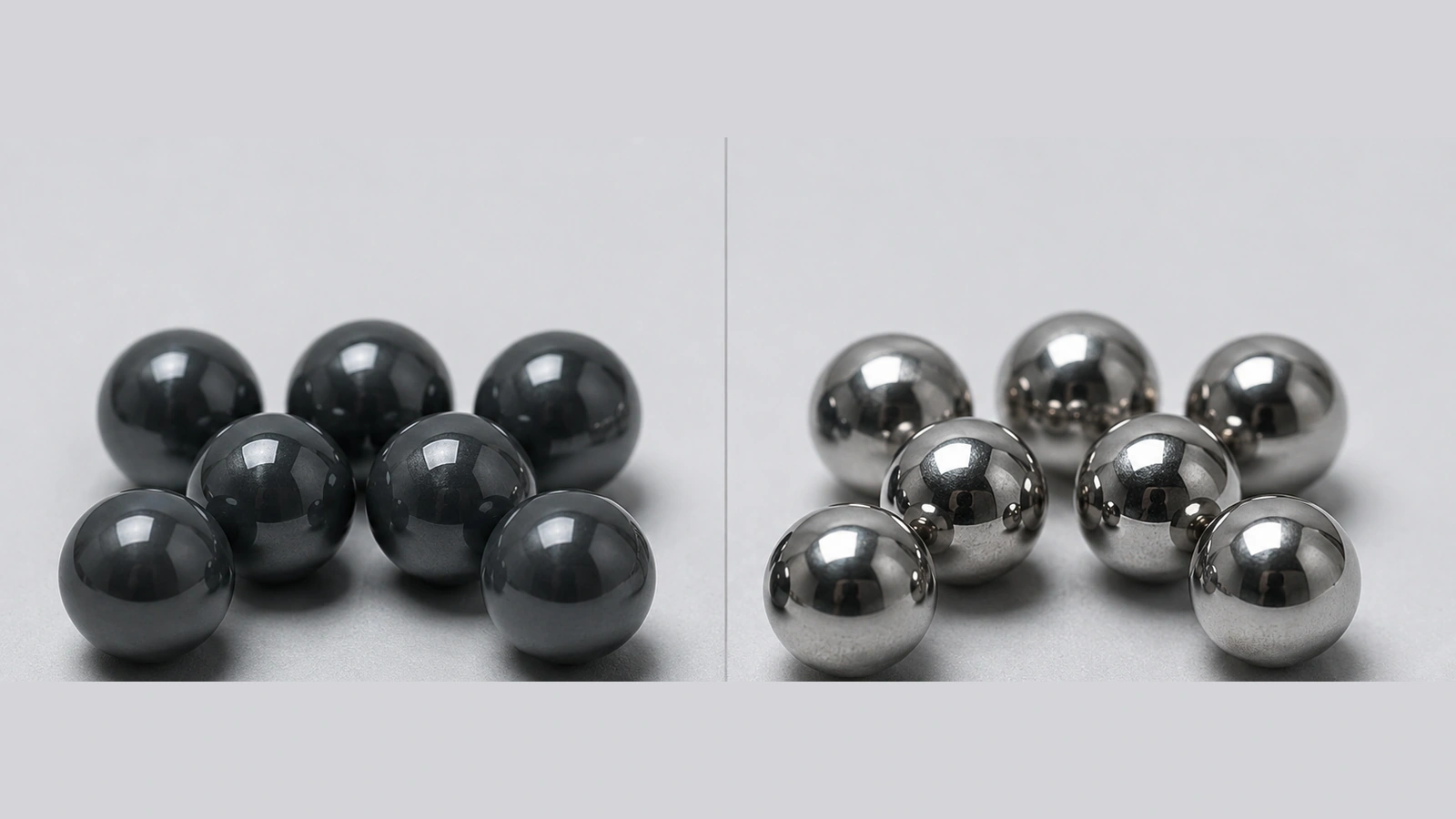
Material Definition
For this category, “steel” should describe the rolling-element material used to group steel-ball dental bearings. Other components should be recorded separately.
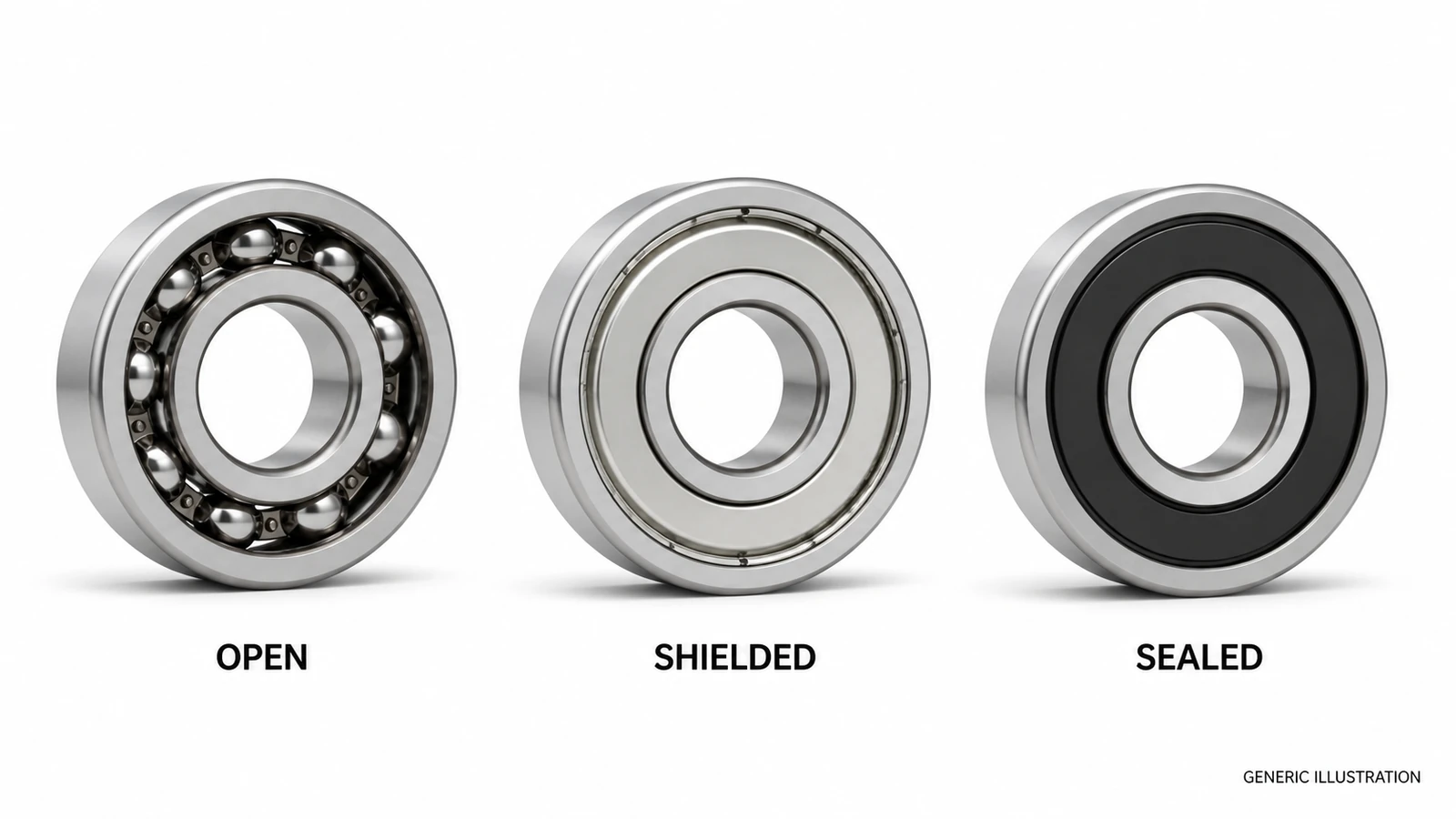
Bearing Construction
Use a component-level specification so buyers can distinguish ball material from ring material, cage, shield and application-specific geometry.
Construction Terminology
These terms describe different material combinations. The actual construction must always be confirmed at SKU level.
Uses steel rolling elements together with steel rings where specified. Cage, shield, lubrication and other components still require separate verification.
Uses ceramic rolling elements with steel rings in a hybrid material construction. These products belong in the ceramic-ball material category, not the steel-ball category.
Selection Guide
Steel-ball material is only one selection factor. Confirm the complete bearing and the exact handpiece application before ordering.
Keep the complete number, supplier SKU, manufacturer reference or alternative number.
Use unrounded measurements and record flange or special geometry separately.
Verify the actual rolling-element material rather than inferring the category from the rings.
Confirm radial, angular-contact or another specified internal design.
Compare the complete construction, not material or dimensions alone.
Verify the handpiece, turbine, motor or assembly version and the bearing position.
Material Comparison
This is a brief product-category comparison only. Detailed material selection belongs in the Technical Center.
| Attribute | Steel Ball | Ceramic Ball |
|---|---|---|
| Rolling Element | Steel material as specified by SKU | Ceramic material as specified by SKU |
| Ring Material | Product-specific | Product-specific |
| Cage | Product-specific | Product-specific |
| Shield / Seal | Product-specific | Product-specific |
| Contact Design | Product-specific | Product-specific |
| Application | Must be confirmed | Must be confirmed |
| Interchangeability | Not automatic | Not automatic |
Substitution Check
Not automatically. A steel-ball product should not be treated as a universal substitute for every ceramic-ball dental bearing.
Compatibility Matters
Radial and angular-contact bearings should not be treated as equivalent because their external dimensions match.
Cage material, shield or seal configuration and internal construction may differ between same-size products.
Flange, ring extension, lubrication, bearing position and the intended handpiece application may all differ.
Application Coverage
This page is material-based. Use the dedicated application pages when the buyer is primarily searching by handpiece type.
| Application Group | Role of This Steel Page | Detailed Application Page |
|---|---|---|
| High-Speed Turbine | Use the application page to narrow the bearing position and construction. | Dental Turbine Bearings |
| Low-Speed Handpiece | Use the application page to narrow the handpiece type and bearing position. | Low-Speed Handpiece Bearings |
| Contra Angle | Search by the exact handpiece model and assembly version. | Search by Handpiece Model |
| Air / Electric Motor | Search by the exact handpiece model and assembly version. | Search by Handpiece Model |
| Other Applications | Requires application-specific confirmation. | Technical Review |
Construction Options
Confirm radial / deep groove, angular contact or another specified design for the exact bearing.
Keep cage material separate from ball and ring material fields.
Confirm whether the exact bearing is open, shielded or sealed.
Record flange, step, shoulder, extension or groove features separately.
Handpiece Brands
Use the brand guides to identify the exact handpiece model and assembly before confirming a bearing. Brand references identify applications and do not imply affiliation.
Technical Data
Confirm these fields for the exact product. Treat rolling-element material, ring material and other construction details as separate specifications.
Quality and Inspection
Ask for documented material, dimensional, condition and traceability information when these details are important to the application.

Confirm the steel-ball specification, ring material and recorded dimensions for the exact bearing.
Request available evidence for visual condition, cleanliness or other applicable inspections.
Check available batch, labeling, storage and packaging information where traceability is required.
Technical Resources
Review rolling-element material as one part of the complete bearing specification.
Review number, dimensions, construction, application and compatibility status.
Use the application category when the primary requirement is a high-speed turbine or cartridge bearing.
Use the application category for contra angles, motors, spindles and related low-speed assemblies.
B2B Supply
Submit steel-bearing numbers, current supplier SKUs, dimensions, handpiece applications and forecast quantities for structured technical and commercial review.
Common Questions
On this page, a steel dental bearing refers to a dental handpiece bearing using steel rolling elements. Ring, cage, shield, lubrication and other construction details should be confirmed separately from the individual product specification.
Not necessarily. Ball material, ring material, cage, shield and other components should be treated as separate specification fields.
An all-steel bearing uses steel rolling elements and steel rings where specified, while a hybrid bearing uses ceramic rolling elements with steel rings. The exact construction should be confirmed for each SKU.
Ball material alone does not confirm high-speed suitability. Confirm the exact bearing, turbine or cartridge application and supporting specification.
No. Ball material alone does not define the application. Use the dedicated high-speed or low-speed application category when selecting by handpiece type.
Not automatically. Confirm number, dimensions, contact design, cage, shield, geometry, lubrication, application and bearing position before changing the rolling-element material.
Not necessarily. Same-size products may still differ in contact design, cage, shield, geometry, lubrication, bearing position and intended application.
Start with the bearing number, handpiece model or dimensions, then confirm the steel-ball specification, construction and supporting application evidence before requesting price.