Record the Bearing Number
Keep the complete visible number, supplier SKU, OEM reference or alternative number.

Ceramic Ball Dental Bearing Solutions
Use bearing number, dimensions or handpiece information to narrow ceramic-ball bearing candidates, then compare contact design, cage, shield, geometry and application status before ordering.
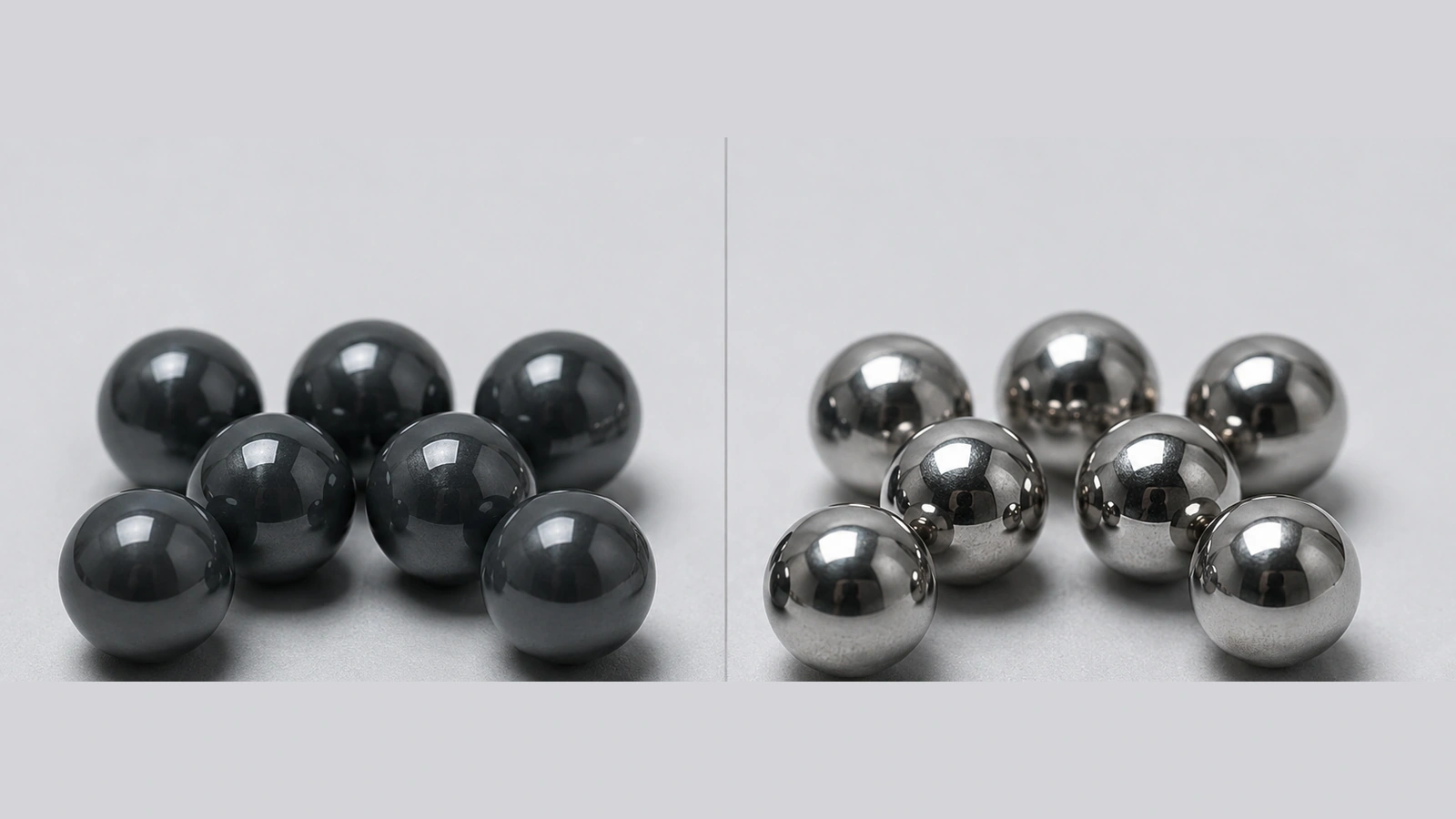
Material Definition
In many dental bearing configurations, “ceramic” refers to the rolling elements rather than every bearing component.
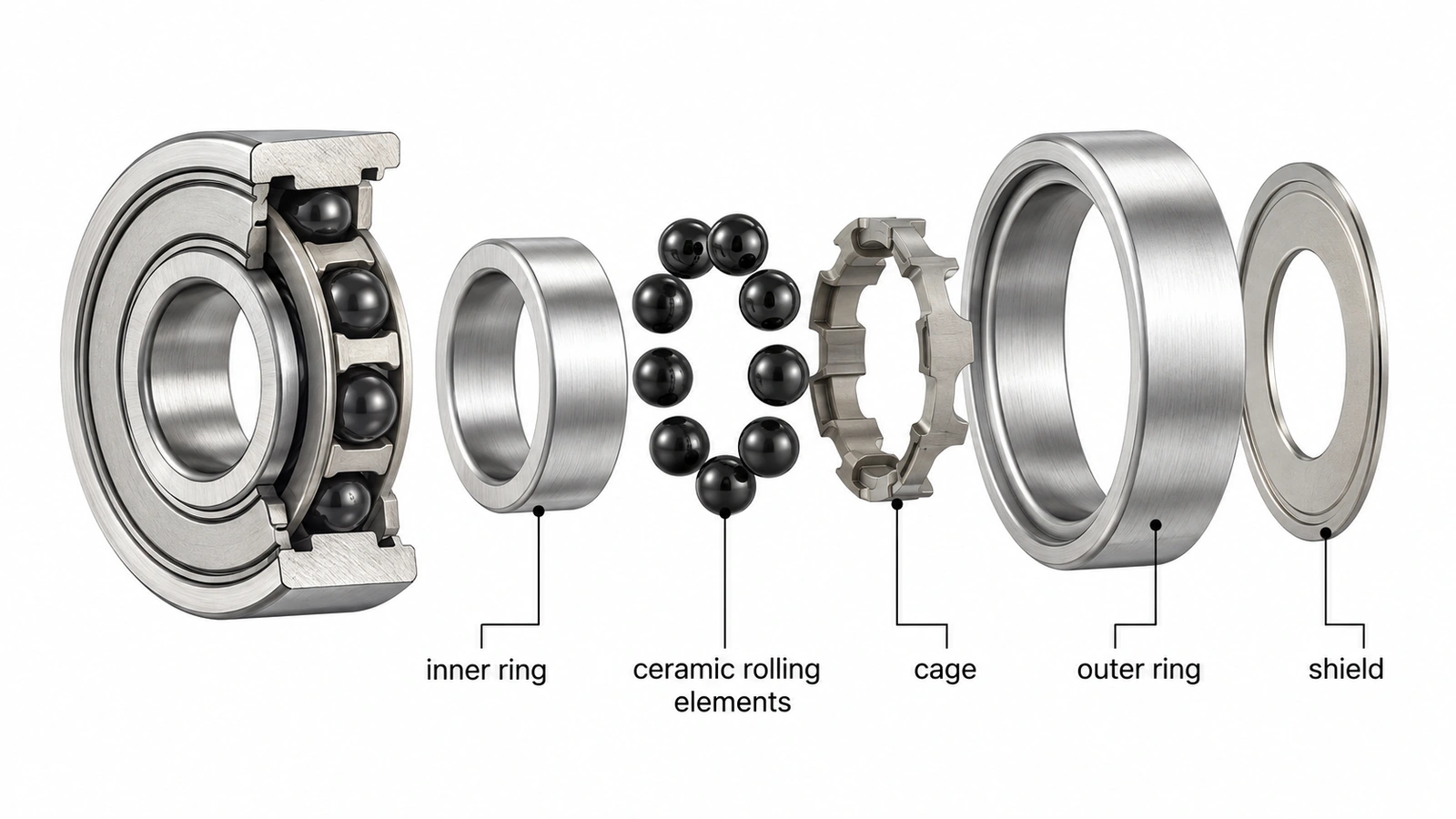
Bearing Construction
Use a complete component-level specification instead of describing a product only as “ceramic.”
Selection Guide
Ceramic-ball material is only one selection factor. Confirm the complete product and application before substitution or ordering.
Keep the complete visible number, supplier SKU, OEM reference or alternative number.
Use unrounded dimensions and record any flange or special ring geometry separately.
Verify that the product actually uses ceramic rolling elements and record the material where available.
Determine whether the bearing is radial / deep groove, angular contact or another reviewed configuration.
Compare the complete construction rather than relying on ball material or external size alone.
Verify the handpiece, turbine or cartridge version and the bearing position before ordering.
Material Comparison
Ball material is only one part of the bearing specification. Use the full product and application record when comparing alternatives.
| Attribute | Ceramic Ball Bearing | Steel Ball Bearing |
|---|---|---|
| Rolling Element | Ceramic material as specified by SKU | Steel material as specified by SKU |
| Ring Material | Product-specific | Product-specific |
| Cage | Product-specific | Product-specific |
| Shield / Seal | Product-specific | Product-specific |
| Contact Design | Radial, angular or other reviewed design | Radial, angular or other reviewed design |
| Application | Must be confirmed | Must be confirmed |
| Interchangeability | Not automatic | Not automatic |
Substitution Check
Not automatically. A ceramic-ball product should not be treated as a universal upgrade for every steel-ball dental bearing.
Compatibility Matters
Radial and angular-contact products should not be treated as equivalent simply because their external dimensions match.
Cage material, ball guidance and protection configuration may differ between otherwise similar products.
Flange, ring extensions, bearing position and application-specific geometry may distinguish two same-size products.
Contact Design
Confirm the exact internal design and intended dental application from the product specification. External dimensions do not identify contact geometry by themselves.
Angular-contact construction should be treated as an application-specific feature and confirmed against the exact bearing and handpiece assembly.
Construction Options
Record the actual cage material and configuration. Do not infer cage construction from ball material or product appearance.
Confirm whether the product is open, shielded, sealed or uses another reviewed protection configuration.
Flanges, shoulders, ring extensions, grooves and stepped features may be important to application compatibility.
Handpiece Applications
Use brand hubs as navigation starting points. A brand reference alone does not confirm ceramic-ball construction, application compatibility or affiliation.
Cross Reference
Search reviewed bearing numbers, supplier SKUs, OEM references and alternative numbers.
Use the brand, exact model, turbine or cartridge version and bearing position where available.
Use ID, OD, width and special geometry to narrow ceramic-bearing candidates before reviewing structure.
Technical Data
Confirm each field from the exact product record before comparing alternatives. Consistent structured information supports technical review and purchasing.
Quality and Inspection
For identification or technical review, collect material, dimensional, condition and source evidence. These checks do not by themselves confirm suitability.
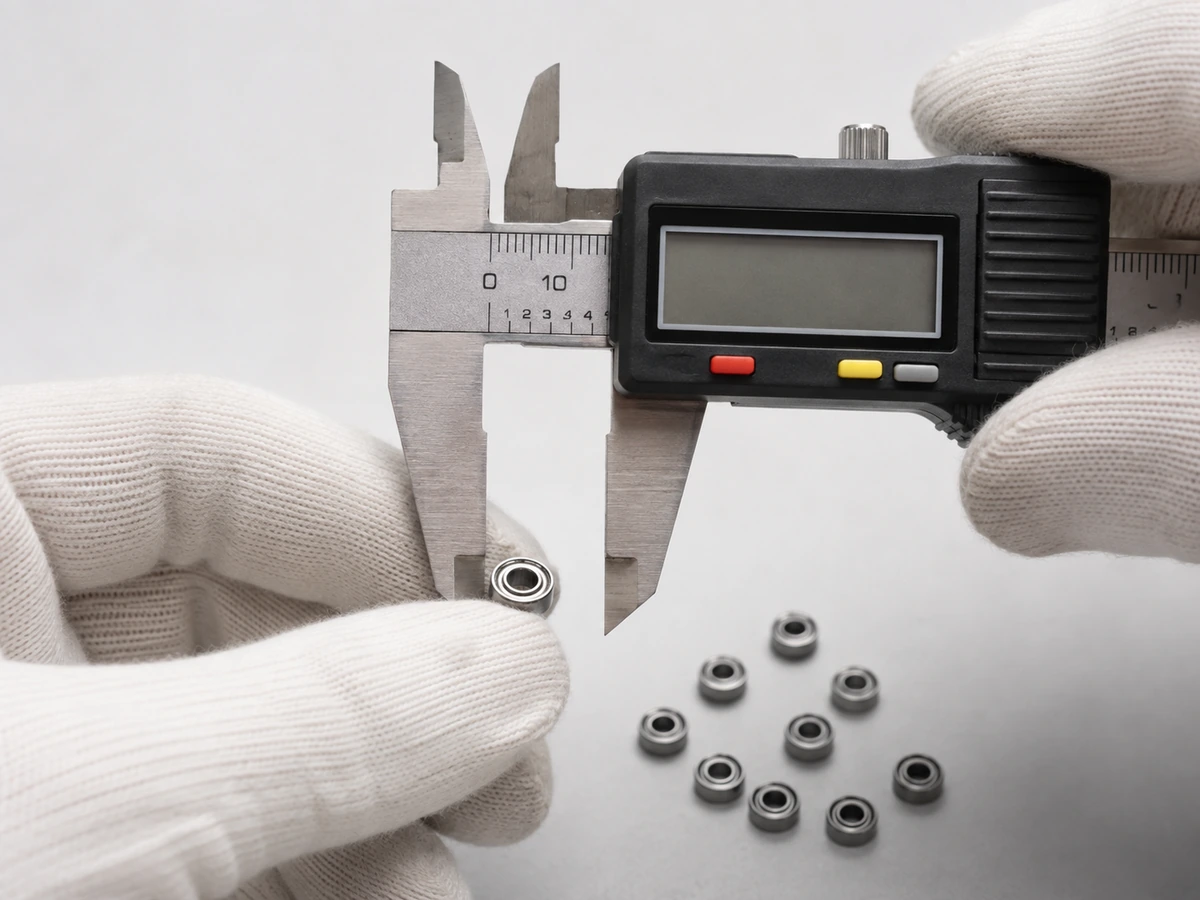
Record the available rolling-element material evidence together with measured ID, OD, width and special geometry.
Provide clear photos and note any observed noise, vibration, surface condition, cleanliness or contamination concerns.
Retain visible markings, source details and packaging information when they are available and verifiable.
Technical Resources
Review ball material as one part of the complete dental bearing specification.
Review number, dimensions, construction, application and compatibility status.
Measure ID, OD, width and special geometry without rounding away important differences.
Review noise, vibration, heat, contamination and premature failure as possible symptoms.
B2B Supply
Submit current ceramic or steel SKUs, bearing numbers, dimensions, handpiece applications and forecast quantities for structured technical and commercial review.
Common Questions
A ceramic dental bearing is a dental handpiece bearing that uses ceramic rolling elements where specified. The rings, cage, shield, lubrication and other components may use different materials and should be confirmed from the product specification.
Not necessarily. In many products, the ceramic material refers to the balls, while rings, cage and shields use other materials.
The exact ceramic material should be confirmed for each SKU from its product record; the general term “ceramic” is not sufficient to identify a specific material.
Not automatically. Confirm the bearing number, dimensions, contact design, cage, shield, geometry, lubrication, handpiece application and bearing position before substitution.
Not necessarily. Same-size ceramic bearings may still differ in contact design, cage, shield, ball count, ring geometry, lubrication and intended application.
Start with the complete bearing number, exact handpiece model or measured dimensions. Then compare the full product construction and reviewed application status.
Use the dental bearing size chart to identify dimensional candidates, then confirm contact design, cage, shield, geometry and handpiece application before ordering.
Start with the strongest information you have — bearing number, handpiece model or dimensions — then confirm the complete ceramic-ball bearing specification and application before requesting price.