
Sodium pyrophosphate (often abbreviated as SPP in industry) most commonly refers to tetrasodium pyrophosphate, a multifunctional phosphate salt with the formula Na4P2O7. It is valued for three core functions: chelating metal ions (binding Ca2+/Mg2+), buffering/adjusting pH in alkaline ranges, and improving dispersion & texture across complex mixtures. These capabilities explain why SPP appears in applications […]
Single super phosphate (SSP) is a water-soluble phosphate fertilizer made by reacting finely ground phosphate rock with sulfuric acid. What keeps SSP globally relevant is its three-in-one nutrition: it supplies phosphorus (P) for roots and early growth, plus sulfur (S) and calcium (Ca)—often the “missing” nutrients in many soils. Although higher-analysis phosphate fertilizers exist, SSP […]
The definitive water-reducing agent for high-efficiency ceramic production. ✅ Reduce Water Content: Save 10-15% energy in spray drying towers. ✅ Improve Flowability: Achieve optimal viscosity without adding excess water. ✅ Flawless Glaze: Eliminate pinholes and “crawling” defects. Get Technical Data Sheet (TDS) Why STPP is Critical for Ceramic Slurry? (The Science) In ceramic manufacturing, “Mud […]
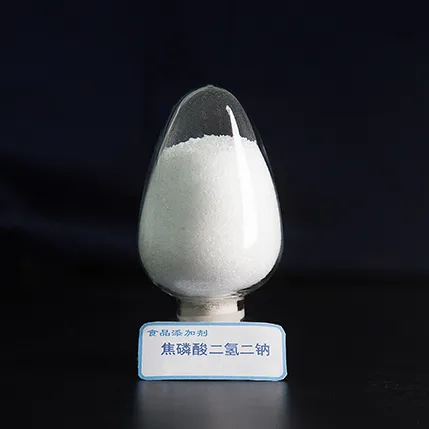
Sodium Acid Pyrophosphate (SAPP) is a food-grade phosphate leavening acid identified as Na2H2P2O7, CAS 7758-16-9, and EU additive E450(i). It is typically used to control carbon-dioxide release in bakery systems and is also applied in selected potato, meat, and processed-food formulations where reaction rate and process consistency matter. Within Goway’s site structure, SAPP belongs to the […]
Tetrasodium Pyrophosphate (TSPP), also known simply as Sodium Pyrophosphate, is a powerful alkaline phosphate used to emulsify proteins in meat, control tartar in toothpaste, and chelate magnesium in detergents. As a manufacturer, Goway Chemical helps buyers distinguish between the various pyrophosphates to ensure the right functionality for your formulation. TSPP increases the pH and ionic […]
Sodium Acid Pyrophosphate (SAPP) is one of the most widely used food-grade phosphates in bakery, fried foods, processed meats, and instant products. Known for its controlled reaction rates and functional versatility, SAPP plays a crucial role in leavening systems, color stabilization, texture improvement, and pH adjustment. This guide explains SAPP’s chemical behavior, type classifications, application […]

Phosphate additives play a central role in food processing, detergents, ceramics, and other industrial formulations. Among them, sodium tripolyphosphate (STPP), sodium hexametaphosphate (SHMP), and tetrasodium pyrophosphate (TSPP) are the most frequently used due to their unique chemical behaviors and broad functionality. Although these phosphates belong to the same family, their performance and application suitability vary […]

From keeping your oat milk smooth to cutting through kitchen grease, tripotassium phosphate (TKP) leverages its strong alkalinity to solve problems across food and industrial sectors. This guide clarifies TKP’s chemistry, regulatory status, and precise roles — while clearly distinguishing it from cleaning-only phosphates such as trisodium phosphate (TSP). Part of Goway’s comprehensive Phosphates Encyclopedia. […]
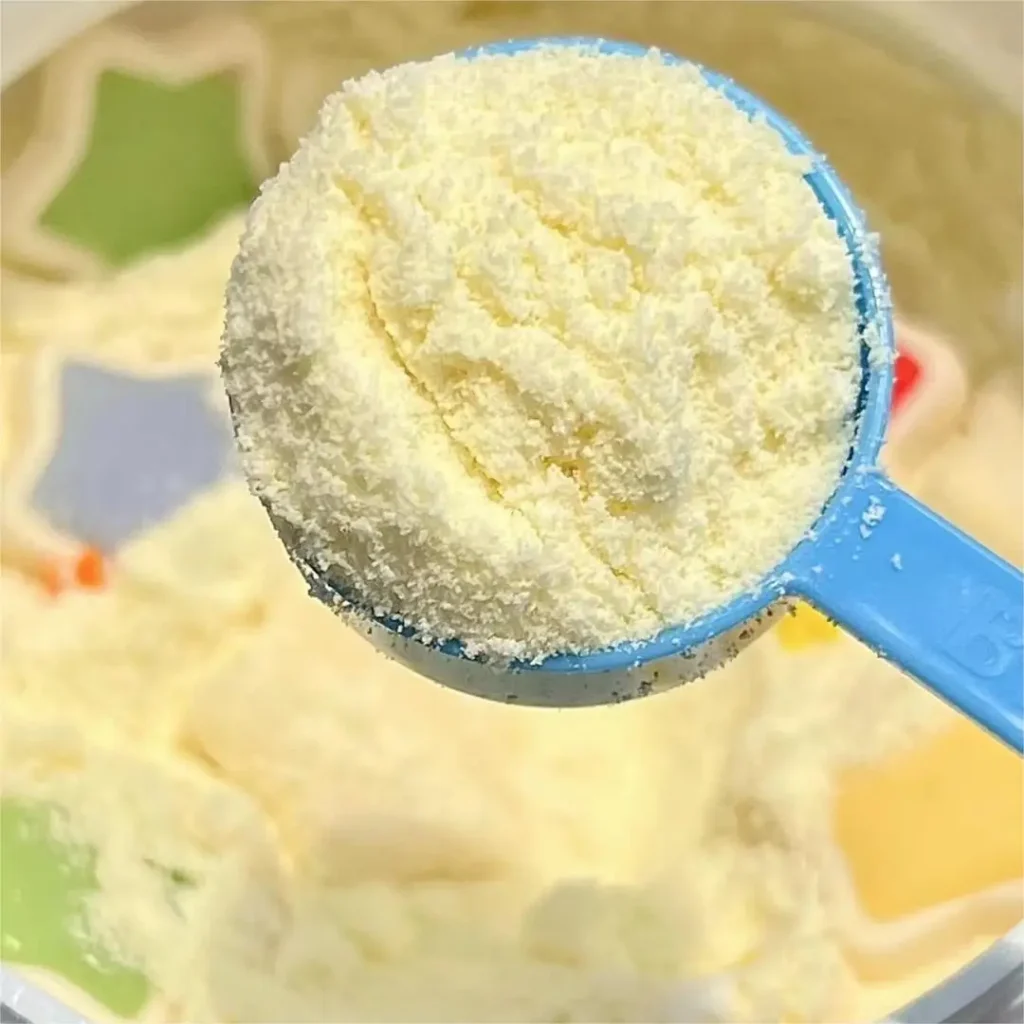
What is Dipotassium Phosphate (DKP)? Uses, Safety & Applications in Food and Beverages That smooth, non-gritty texture in your oat milk or protein shake? It’s often supported by dipotassium phosphate (DKP) — a highly water-soluble mineral salt that helps keep nutrients suspended and pH stable. This guide delivers science-backed clarity on DKP’s chemistry, GRAS status, […]
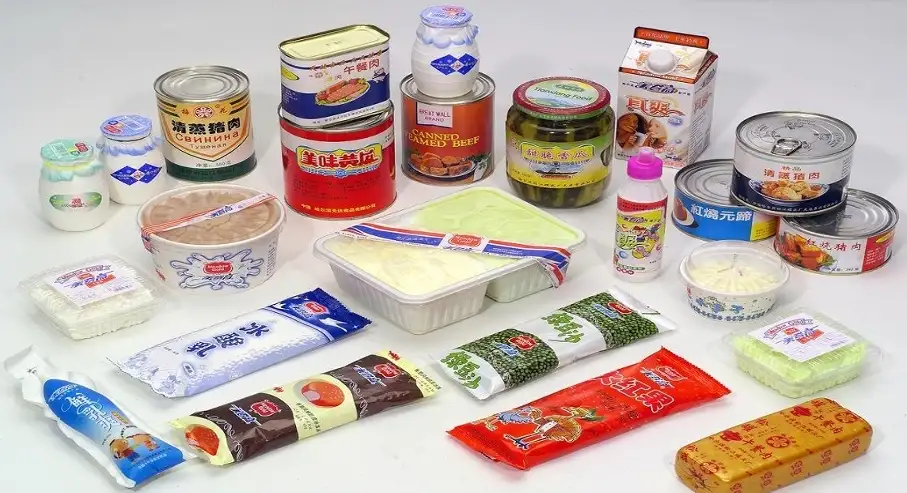
Phosphates are essential nutrients and widely used functional ingredients. Safety questions usually come down to how phosphates are regulated, what purity standards apply, and how intake is managed across populations—not whether one specific phosphate “is good or bad.” Part of Goway’s Phosphates Encyclopedia. 1. The Global Safety Framework for Phosphates Phosphates used in food are governed by […]